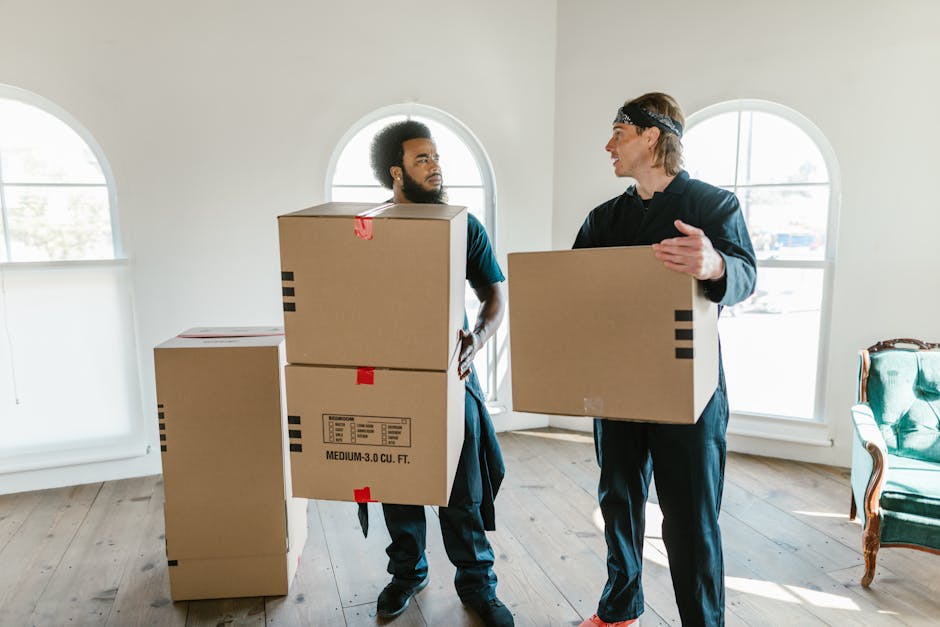
Liability and insurance for Stepney removals teams explained
If you are planning a move in Stepney, insurance is not just a box to tick and forget about. It is one of those things you only care about deeply the moment a sofa clips a doorway, a mirror cracks in transit, or a stairwell turns out tighter than it looked online. This guide to Liability and insurance for Stepney removals teams explained breaks down what protection really means, how responsibility is usually handled, and what you should ask before anyone lifts a single box.
Truth be told, most people do not want a lecture on policy wording. They want to know: if something goes wrong, who pays? That is the right question. Below, you will find a practical, human explanation of liability, goods-in-transit cover, public liability, exclusions, and the simple checks that can save a lot of stress later on. I'll also point you to useful pages like insurance and safety information, terms and conditions, and pricing and quotes where they help the decision-making process.
Table of Contents
- Why Liability and insurance for Stepney removals teams explained Matters
- How Liability and insurance for Stepney removals teams explained Works
- Key Benefits and Practical Advantages
- Who This Is For and When It Makes Sense
- Step-by-Step Guidance
- Expert Tips for Better Results
- Common Mistakes to Avoid
- Tools, Resources and Recommendations
- Law, Compliance, Standards, or Best Practice
- Options, Methods, or Comparison Table
- Case Study or Real-World Example
- Practical Checklist
- Conclusion
- Frequently Asked Questions
Why Liability and insurance for Stepney removals teams explained Matters
Moving day is busy, noisy, and a bit awkward by nature. People are carrying things around corners, in narrow hallways, through shared entrances, and sometimes up several flights of stairs. In Stepney, that often means working around period conversions, tight terraces, estate stairwells, and the normal chaos of London parking. Small risks stack up fast.
That is why liability matters. Liability is basically the question of legal and financial responsibility. If a mover damages a wall, drops a TV, or injures someone while working, there has to be a clear understanding of who is responsible and how the issue is handled. Insurance is the financial back-up that helps cover certain losses, subject to the policy terms. Without it, a simple moving mishap can become an expensive argument.
For customers, this is not about distrusting the team. Quite the opposite. It is about choosing a removals service that takes professionalism seriously. A good mover should be able to explain the difference between their own liability, your obligations as the customer, and any exclusions that apply. If they cannot explain it clearly, that is a small red flag. Not always a disaster, but worth noticing.
Expert summary: sensible removals insurance does two jobs at once: it helps protect the customer from avoidable loss, and it helps the removals team work with clear responsibility boundaries. That clarity is worth a lot on moving day.
It also builds trust. When a company has clear policies around safety and cover, it usually means their operation is more organised overall. You can see that approach reflected in pages such as the health and safety policy and insurance and safety, which are useful starting points if you want to understand how a team thinks about risk before booking.
How Liability and insurance for Stepney removals teams explained Works
In plain English, removals insurance and liability usually sit in a few different buckets. They are related, but not identical. That distinction matters more than people expect.
1. Public liability
This is generally about accidental injury to a third party or accidental damage to someone else's property while work is being carried out. Think of a hallway scuff, a knocked-over lamp in a shared area, or an accidental bump into communal property. Public liability cover is designed to respond to those kinds of claims, within the policy limits and conditions.
2. Goods in transit
This covers items while they are being transported. If a box slides, gets crushed, or something breaks in the van during the journey, goods-in-transit cover may help. But there are always conditions: items should usually be packed properly, declared accurately, and handled in line with the mover's stated process.
3. Employer's liability
If the removals team employs staff, there may be a legal requirement for employer's liability insurance. This is about staff injury or illness linked to work. It is not there for the customer's household contents, but it still tells you something important: the business is operating as a proper employer, not a casual setup.
4. Contractual liability and exclusions
This is where people get caught out. A company may carry insurance, but the policy might not cover everything. For example, high-value items, self-packed boxes, antiques, unboxed fragile items, or losses caused by poor access information may be excluded or limited. The contract and the policy wording matter. So does honesty during booking.
Let's say you mention a piano, but not the three awkward steps into the building. Or you say the flat is on the first floor, but it is actually one of those tricky basement conversions with a sharp turn at the door. The insurer may look very closely at what was disclosed. That is not being difficult; that is how risk assessment works.
Many reputable firms will also set out their obligations in the terms and conditions. Read those properly. Not in a sleepy five-minute skim with a cup of tea in hand, but actually read them. Mildly boring, yes. Useful? Absolutely.
What liability does not usually mean
Insurance is not a magic shield. It does not usually mean the mover accepts responsibility for every item, in every circumstance. Common exclusions often include:
- pre-existing damage
- poorly packed fragile items
- items not declared before the move
- losses caused by incorrect access information
- restricted cover for very valuable or unusual items
So the practical rule is simple: the more transparent you are, the better the protection usually works.
Key Benefits and Practical Advantages
Good liability cover is not only about worst-case scenarios. It brings a few everyday benefits that are easy to overlook until you actually need them.
- Peace of mind: you can focus on the move instead of mentally rehearsing disaster scenes.
- Cleaner accountability: everyone knows what happens if damage occurs.
- Better planning: insured teams tend to ask better questions about access, packing, and timing.
- Reduced financial shock: a valid claim can soften the cost of accidental damage.
- Professional behaviour: companies that maintain insurance often follow stricter working practices.
There is also a softer advantage that people do not always mention: it makes the whole move feel calmer. When a team arrives with clear documentation, careful handling habits, and a proper explanation of cover, you can usually feel the difference within the first ten minutes. Boxes are labelled, corners are protected, and nobody is winging it. That matters.
For commercial customers, the benefits are even more obvious. If you are coordinating office furniture, IT equipment, filing systems, or stock, you want a removal partner that understands business continuity. Pages like office removals and commercial moves are especially relevant where downtime and property risk need to be managed carefully.
Who This Is For and When It Makes Sense
In short: almost anyone moving anything of value. But different types of customers need different levels of reassurance.
Home movers
If you are moving from a flat, maisonette, or family home, insurance helps protect against accidental property damage and transit issues. It is especially useful when stairs are tight or furniture needs partial dismantling. If your move includes larger furniture or a lot of packed boxes, take a look at home moves and house removals as service types that often benefit from clear insurance talk before the move begins.
Flat movers
With flats, shared corridors and communal entrances are common pinch points. A small scrape can affect more than your own space. That is one reason flat removals usually benefit from strong liability awareness.
Commercial movers
Offices often involve leased premises, computer equipment, printers, and awkward furniture. For that reason, insurance and liability planning should be part of the booking conversation from the start. Not after the first filing cabinet has been moved.
Students and short-notice movers
Student moves can feel casual, but the risks are still real. Cheap does not always mean cheerful if a monitor gets broken or a box is dropped on a staircase. Short-notice jobs, like same-day removals, especially need clear expectations because there is less time to clarify access details and inventory.
Special-item movers
Pianos, art, and bulky furniture need extra care. If there is an unusual item, the question is not just "can they move it?" but "how is it covered?" Pages such as piano removals and furniture removals are useful starting points because they point to the kinds of jobs where handling standards really matter.
Step-by-Step Guidance
If you want to handle liability and insurance properly, keep it simple. Here is the process we would recommend, and it is easier than it sounds.
- List everything being moved. Include large furniture, fragile items, and anything especially valuable.
- Check access details. Stairs, lifts, parking, loading restrictions, and narrow entrances all affect risk.
- Ask what insurance is included. Do not assume coverage. Ask specifically about public liability and goods in transit.
- Clarify exclusions. Self-packed boxes, high-value items, and improper packaging are common sticking points.
- Read the paperwork. The fine print is not glamorous, but it saves time later.
- Take your own photos. Before the move, photograph the condition of key items and any existing marks in the property.
- Pack properly. Bad packing is one of the quickest ways to weaken a claim.
- Confirm the move plan in writing. Even a short email can help if there is confusion later.
A small real-world detail: if a team asks you whether anything is "particularly fragile", answer like you mean it. The old family lamp with the wobbly base? Mention it. The monitor box with the original foam? Great. The vase that "should be fine" if handled carefully? Mention that too. You are not being fussy. You are being sensible.
If you want a broader look at how pricing reflects preparation and risk, the page on pricing and quotes can help you think about why some moves cost more than others. Insurance, access, and handling complexity all play a part.
Expert Tips for Better Results
These are the small things that often make the biggest difference.
Be very specific about fragile items
"Fragile" is not specific enough. Say glass table, framed artwork, TV, desktop PC, mirror, or ceramic items. The more the mover knows, the better they can protect it.
Do not understate access issues
If the van cannot park right outside, say so. If the building has a tight turn at the top of the stairs, say that too. It is better to sound slightly overcautious than to create a problem at 8:15 in the morning while everyone is carrying wardrobes.
Use decent packing materials
Insurance is not a substitute for proper packing. Strong boxes, tape, wrapping paper, and padding all reduce the chance of damage. If you want help with this part, packing and boxes and packing and unpacking services are relevant services to consider.
Keep receipts for valuable items
If there is ever a dispute over value, some proof is better than none. You do not need a forensic archive of every mug you own, thankfully. But for higher-value items, a receipt or photo can help.
Ask one direct question
Ask: "If something gets damaged, what is the claims process?" That single question reveals a lot. A professional answer should be calm, clear, and not defensive.
Do not be embarrassed to slow things down
If the movers are ready but you spot a problem, speak up. A one-minute pause can prevent a one-hour headache. Moving day moves quickly anyway.
For a smoother overall experience, it can also help to choose a team with a strong operational process, not just a van and a strong back. Services such as removal services and removals usually come with better systems for handling responsibility than a rushed, casual arrangement. Usually. Not always, but usually.
Common Mistakes to Avoid
Most insurance problems start long before a claim. They usually start with assumptions.
- Assuming everything is covered: this is the classic one.
- Failing to declare valuable items: if it matters a lot, say so.
- Poor packing: a crushed box can turn a simple move into a dispute.
- Ignoring access issues: steps, lifts, parking, and restrictions need to be mentioned early.
- Not reading the terms: not exciting, but necessary.
- Choosing only by price: cheapest is not always cheapest after a problem.
- Leaving key decisions to the day of the move: that is a stressful habit, and a risky one.
There is a subtle mistake that people make all the time: they think "insured" means "anything can happen and I'm fine." Not quite. Insurance is there to manage specific risks, within specific conditions. It is protection, not a get-out-of-jail card. Slightly unromantic, but there it is.
Tools, Resources and Recommendations
You do not need a huge toolkit to handle this properly. A few practical resources are enough.
Useful things to prepare
- a room-by-room inventory
- photos of high-value items before packing
- notes on access and parking
- your booking confirmation
- the mover's insurance and safety details
- contact details for the property manager if access is shared
Useful internal pages to review
If you want to understand the business side of a move a little better, these pages are worth a look: about us for the company background, health and safety policy for operating standards, and payment and security for how payments are handled.
If your move involves temporary overflow or staging space, storage can be helpful, especially where access dates do not line up neatly. And if you are moving office stock, office relocation services can help frame the risk conversation around business equipment rather than just household items.
Simple recommendation
Before booking, ask for a plain-language explanation of what is covered and what is not. If the answer is clear, patient, and specific, that is a strong sign. If the answer feels slippery, keep looking. It is your stuff, after all.
Law, Compliance, Standards, or Best Practice
It is worth being careful here. Legal obligations can vary depending on the size and nature of the business, the type of work being done, and the insurance products in place. Rather than pretend there is a one-line rule that covers every case, the safer approach is to focus on accepted UK best practice.
In practical terms, a reputable removals team should be able to show that it has considered:
- public liability risk
- employee safety and employer's liability, where relevant
- safe manual handling
- clear booking terms and exclusions
- customer disclosure of access issues and valuable items
- proper complaint handling if something goes wrong
That last point matters more than people realise. A clear complaints route is part of trust. If a company has a formal process, like the one set out on the complaints procedure page, that usually signals a more organised, customer-aware operation.
Best practice also includes honest pre-move communication. If a mover asks whether the lift is working, whether parking is available, or whether there are restrictions on moving times, they are not being nosy. They are reducing risk. That is sensible business, plain and simple.
Options, Methods, or Comparison Table
Here is a straightforward comparison of the main protection types people usually encounter during removals. The wording is intentionally plain, because jargon can make even simple things feel needlessly mysterious.
| Protection type | What it usually covers | Typical limitation | Best for |
|---|---|---|---|
| Public liability | Third-party injury or property damage | Policy limits and exclusions apply | Common areas, entrances, accidental damage scenarios |
| Goods in transit | Items while being transported | Often depends on packing and declared items | Household contents, furniture, boxed goods |
| Employer's liability | Staff injury linked to work | Depends on employment structure and policy terms | Businesses with employees |
| Customer self-insurance | Anything your own home or contents policy may cover | Varies widely and may not cover a removal properly | Extra personal back-up, not a substitute |
The most important takeaway from the table is this: the different covers do different jobs. One policy does not automatically replace another. It is a layered system, a bit like packing boxes within boxes. Not glamorous, but neat.
If you are choosing between a traditional team and a more flexible setup like man and van, man with a van, or man with van, ask what insurance sits behind the service and how claims are handled. The service style can affect how risk is managed, even if the job seems similar on the surface.
Case Study or Real-World Example
Here is a realistic example from the kind of move that happens all the time in Stepney.
A family is moving from a third-floor flat into a house a few streets away. They have a sofa, a dining table, boxed kitchenware, a mirror, and a couple of delicate lamps. The access at the old building is tighter than expected, and the landing has a sharp turn. On the day, one box is packed too loosely, and a glass item inside shifts and breaks.
What matters next is not drama. It is process.
If the team had asked about the fragile contents beforehand, the packaging might have been improved. If the customer had declared the mirror and the lamps clearly, the handlers could have planned the loading order more carefully. If the booking notes had included the narrow landing, the route and lifting method might have been adjusted. And if there was appropriate cover in place, the claim conversation would be much simpler.
Now compare that with an office move. An employee forgets to mention that a filing cabinet contains loose office equipment, and the drawer opens in transit. That kind of oversight can cause damage that is awkward to sort out later. Again, not catastrophic, but avoidable. The lesson is plain: accurate information is part of the protection.
In both cases, insurance did not replace care. It supported it. That is the real role of liability cover in removals: it sits behind good practice, not in place of it.
Practical Checklist
Use this checklist before you book or before moving day arrives. It keeps things tidy.
- Have I listed every room and major item?
- Have I mentioned stairs, lifts, parking, and access restrictions?
- Do I know what insurance is included?
- Have I asked about public liability and goods in transit?
- Have I checked the exclusions?
- Have I packed fragile items properly?
- Have I taken photos of valuable or existing-damage items?
- Have I read the booking terms?
- Do I know how to make a claim if needed?
- Have I confirmed the move details in writing?
And one more, because this one saves hassle: have I been honest about the job size? A move is always easier when the plan matches reality. Funny how that works.
Conclusion
Liability and insurance for removals is not the most exciting part of moving, but it is one of the most important. In Stepney, where access can be tight and timing can be a juggling act, clear insurance and a proper understanding of liability can make the difference between a smooth move and a stressful one.
The smart approach is simple: ask clear questions, disclose the important details, read the terms, and choose a team that explains its cover in plain English. That sort of clarity usually reflects the rest of the service too. And that is what most people really want on moving day - competence, calm, and no surprises.
If you are comparing providers now, start with the practical basics, review the policies, and look for a team that treats safety and responsibility as part of the job, not an afterthought. Then the boxes get moved, the kettle gets unpacked, and life carries on.
Get a free quote today and see how much you can save.
Frequently Asked Questions
What does liability mean in a removals job?
Liability means legal and financial responsibility if something goes wrong during the move. It can relate to damage, injury, or loss, depending on the situation and the contract terms.
What is the difference between liability and insurance?
Liability is about who is responsible. Insurance is the financial cover that may help pay for certain losses if the policy conditions are met. They work together, but they are not the same thing.
Does removals insurance cover everything?
No, usually not. Most policies have exclusions, limits, and conditions. Self-packed items, poorly declared valuables, or improper packing may not be covered in full.
Should I ask about public liability before booking?
Yes. It is one of the key protections to ask about, especially if the move involves shared entrances, stairwells, or the risk of accidental damage to the property.
Is goods in transit insurance important for a home move?
Yes, it is often very relevant because it covers items while they are being carried in the vehicle. That is where many damage claims arise, if they arise at all.
Do I need to declare fragile or high-value items?
Absolutely. Declaring them gives the removals team a chance to handle them properly and helps avoid disputes later. Silence is not your friend here.
What happens if a mover damages my wall or floor?
If the mover has appropriate liability cover and the damage falls within the policy terms, a claim may be possible. You should report the issue promptly and keep photos or notes.
Can I rely on my own home contents insurance?
Sometimes there may be some overlap, but you should not assume your home policy will cover the move properly. It is best to ask the removals company what they include and then check your own policy separately if needed.
Do I need different cover for an office move?
Often, yes. Office moves can involve business equipment, leased premises, and more complex responsibility questions. Commercial jobs usually need more careful planning.
How can I tell if a Stepney removals team is trustworthy?
Look for clear answers about insurance, safety, claims handling, and terms. A trustworthy team explains things without hiding behind jargon or vague promises. You can also review company information such as about us and insurance and safety.
What should I do before moving day to reduce risk?
Pack properly, label boxes, disclose access issues, photograph valuable items, and confirm the move details in writing. A little prep goes a long way.
Where can I find the company's complaints process if I need it?
You can review the complaints procedure page so you know how issues are handled if a problem does arise.
If you want a move that feels more manageable, start with clarity. That one habit saves time, protects belongings, and takes a surprising amount of pressure off your shoulders.