Commercial Moves in Stepney
If you are planning Commercial Moves in Stepney, you probably need more than just a van and a few boxes. You need a move that keeps your business running, protects equipment and stock, and fits around the realities of working in a busy East London location. Whether you are relocating a small office, shifting a retail unit, moving a workshop, or reorganising a shared workspace, the process needs careful planning and a team that understands local access, timing, and building requirements.
Stepney is a lively part of the East End, with a mix of long-standing businesses, modern offices, residential streets, high-street premises, and converted buildings. That variety is exactly why commercial relocations here benefit from local knowledge. Narrow roads, controlled parking, shared entrances, busy footfall, and time-sensitive operations all affect how a move should be handled. A well-managed commercial relocation helps reduce disruption, keeps staff informed, and makes sure the transition to your new premises is as smooth as possible.
For many businesses, moving premises is not just about transport. It is about continuity. You may need safe handling for furniture, IT equipment, archives, displays, or trade stock. You may need out-of-hours moving to limit downtime. You may also need a team that can work flexibly around landlords, building managers, and loading restrictions. That is why local customers looking for commercial removals in Stepney often want a service that is organised, practical, and responsive from the first enquiry through to the final box being placed in the right room.
Why Stepney Businesses Need a Flexible Moving Service

Stepney has a unique business landscape. There are independent shops, offices serving local professionals, creative studios, healthcare-related premises, community-facing organisations, and smaller commercial units within mixed-use buildings. In this kind of environment, a move is rarely straightforward. Access can be limited, some properties share entrances with residents, and parking may be tight around busy streets and junctions. A commercial moving team needs to adapt to those conditions rather than forcing a one-size-fits-all approach.
Local firms often operate on tight schedules, so downtime matters. If you run a service business, even a short interruption can affect appointments and client communication. If you manage stock or equipment, delays can interrupt sales or production. The best business moving support in Stepney is designed to reduce that interruption by planning the route, timing the loading, and organising each stage in a logical order. Commercial moves in Stepney work best when the moving plan reflects the day-to-day needs of the business, not just the size of the premises.
Another challenge is the mix of building types. Some premises are in older properties with stairs, tight hallways, or limited lift access. Others are in newer developments with loading controls, fob access, or time restrictions. A local team that understands these factors can prepare in advance, bring the right equipment, and avoid common delays. That means your move is more likely to stay on schedule and less likely to cause unnecessary stress.
Typical commercial moves we support
Businesses in Stepney may need relocation support for a wide range of reasons. Common examples include:
- Office relocations for small teams or growing businesses
- Shop and retail unit moves
- Studio, agency, and creative workspace relocations
- Warehouse and storage transfers
- Clinic, consultation, or professional practice moves
- Restaurant, café, and hospitality equipment moves
- Archive, file, and records relocation
- Internal moves and office reconfigurations
What a Commercial Move Usually Includes

A commercial move can be tailored to your business rather than handled as a standard house removal. That is important because every workplace has different priorities. Some businesses need secure handling for confidential files, while others need help dismantling desks, managing specialist equipment, or moving fragile stock. A proper service should be flexible enough to meet those needs.
When arranging commercial removals in Stepney, customers usually want clarity on what is included. While each move is different, a professional service commonly involves packing support, furniture dismantling, careful loading, transport to the new site, unloading, and placement of items in the right areas. If your business needs it, the move can also include coordination around access times, lift use, or staged relocation over several days.
It is also important that the move is handled in a way that protects the property itself. Lifts, corridors, walls, and door frames in commercial buildings can all be vulnerable during a busy relocation. The right team will take care with protection and handling, helping to prevent avoidable damage while keeping the process efficient.
Common items moved in business relocations
Commercial relocations often involve a combination of standard office furniture and specialist items. These may include:
- Desks, chairs, cabinets, and meeting tables
- Computers, monitors, printers, and peripherals
- Retail shelving, stock, and display units
- Archived documents and filing systems
- Tools, workshop items, and small machinery
- Hospitality equipment and kitchen items
- Reception furniture and waiting area seating
- Fragile items that need extra care during loading
In some cases, businesses also need support with internal rearrangements rather than a full move. That might mean shifting departments to new rooms, changing the layout of an office, or moving items into storage while refurbishment takes place. A commercial moving team can often support these smaller but equally important projects.
How the Moving Process Works

The easiest commercial relocations are usually the ones that are planned well in advance. A strong process starts with a clear understanding of what needs to be moved, where it is going, and when it has to happen. From there, the move can be organised into practical steps that reduce downtime and keep everyone informed. For local businesses seeking Stepney commercial moving services, that process should feel structured without becoming complicated.
First comes the initial assessment. This may involve discussing the size of the premises, the type of items involved, any specialist equipment, and any access issues at either end of the move. It is also the stage where timing is agreed. Many businesses prefer moves outside their busiest hours, during evenings, weekends, or quieter trading periods. In Stepney, where traffic and parking can affect loading times, timing can make a significant difference to how smoothly the day runs.
Next is preparation. This includes identifying what will be moved, what can be packed in advance, what may need dismantling, and whether any items require special handling. A clear plan helps staff know what to do before moving day, and it also helps reduce the chance of items being misplaced or damaged. On the day itself, the team loads items in a sensible sequence, transports them safely, and unloads them according to the plan for the new premises.
Step-by-step moving outline
- Discuss your premises, timing, and moving needs
- Plan access, loading, parking, and building restrictions
- Prepare packing, labelling, and dismantling tasks
- Move items carefully and keep the process organised
- Unload into the correct rooms or work areas
- Support setup so your business can resume more quickly
Good planning saves time. It can also reduce anxiety for staff who may already be handling a busy transition. A well-organised move allows everyone to focus on getting back to business rather than dealing with avoidable disruption.
Why Local Knowledge Matters in Stepney
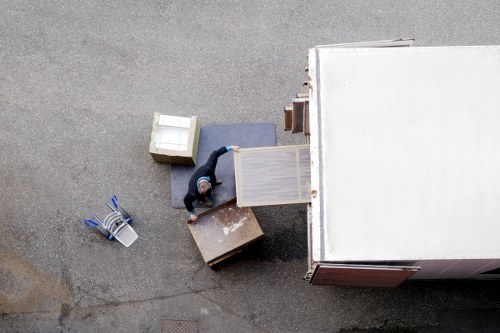
Choosing a local team for commercial relocations gives you practical advantages that are hard to ignore. Stepney sits in a busy part of East London, close to areas such as Whitechapel, Mile End, Limehouse, Bethnal Green, Shadwell, and the wider Tower Hamlets area. That means businesses here often deal with a mix of residential streets, commercial zones, and busy through-roads. A team familiar with the area can plan around the realities of urban movement rather than treating it like a blank map.
Local knowledge helps with parking, timing, and route planning. It also helps when moving into or out of shared buildings, offices above shops, or premises with limited curbside access. If a van cannot stop directly outside the property, the move needs a different approach. If a building has only certain loading hours, those restrictions need to be built into the schedule from the start. A local business moving service in Stepney is better placed to anticipate these practical challenges.
There is also value in working with a team that understands the pace of the local business environment. Some customers need to move quickly because of lease changes, expansion, refurbishments, or trading pressures. Others are planning well ahead but need flexibility as plans develop. In either case, it helps to have a service that can adapt to your timeline and communicate clearly throughout the process.
Local situations where experience helps
- Moves in streets with restricted parking or permit concerns
- Relocations from upper floors or properties with narrow staircases
- Moves involving mixed residential and commercial access
- Transfers between Stepney and nearby East London locations
- Out-of-hours moves to reduce disruption for clients or staff
Stepney businesses often need practical problem-solving as much as transport. That is why a local, commercially minded moving team can make the whole experience feel more manageable.
Preparing Your Business for Moving Day

A successful relocation depends heavily on preparation. Even if a moving team handles the lifting and transport, the business itself benefits from some simple organisation beforehand. The more clearly your items are labelled and your priorities are set, the easier it becomes to move efficiently and settle into the new space. This is especially useful for busy workplaces in Stepney, where downtime needs to be kept under control.
Preparation does not have to be complicated. A short checklist, shared with staff ahead of time, can reduce confusion and help everyone know what is expected. It is especially helpful if different departments have different needs, or if some items are going to storage while others are going straight to the new premises. Clear communication makes a big difference on moving day.
It is also sensible to consider continuity tasks such as IT shutdown, file security, stock counting, and equipment labelling. If your office uses shared devices, make sure staff know which cables, chargers, and accessories belong with each workstation. If you run a retail or customer-facing business, think about what must be unpacked first so the business can reopen smoothly.
Practical preparation checklist
- Confirm what is moving and what is staying behind
- Label boxes, files, and equipment clearly
- Back up important digital information before the move
- Notify staff of the moving schedule and responsibilities
- Set aside essential items for first-day use
- Check access details for both properties
- Arrange parking or loading permissions if needed
- Separate fragile, confidential, or specialist items
Items worth keeping close on the day
Some items should remain easy to access rather than being loaded away with everything else. These often include keys, access cards, documents needed for the first day in the new building, phones, chargers, basic office supplies, and any essential equipment required to reopen quickly. Keeping these items identified early can save time later.
Request a free quote once you know your likely moving date and scope. That helps you plan properly and ask the right questions before the move takes place.
Pricing Factors for Commercial Relocations
Commercial moving costs vary because no two businesses have the same needs. Rather than looking for a one-size-fits-all figure, it is more useful to understand which factors influence the overall cost of the move. That way, you can budget realistically and avoid surprises later. This is particularly important for customers comparing business removals in Stepney with different levels of service.
Key pricing factors usually include the volume of items, the distance between premises, access at each building, the amount of packing or dismantling required, and whether the move needs to happen outside standard hours. Specialist items may also affect the planning. For example, heavy furniture, fragile stock, or sensitive equipment can take more time and require additional care. If the move involves multiple stops, storage, or phased relocation, that can also influence the final arrangement.
Stepney’s local layout can matter too. If parking is difficult or the building requires a longer carrying distance from the vehicle to the premises, more time may be needed. If lift access is limited or shared, timing and staff coordination become even more important. A clear conversation at the quotation stage helps make the service as accurate as possible.
Questions that help shape an accurate quote
- How many rooms, departments, or areas are being moved?
- Are there stairs, lifts, or narrow access points?
- Do items need dismantling and reassembly?
- Will packing support be needed?
- Are there any fragile or confidential items?
- Is the move during regular hours or outside business hours?
- Will the relocation happen in one stage or over several phases?
Asking these questions early helps you get a clearer picture of what the move involves. It also allows the moving team to prepare properly, which can make the whole process more efficient.
What to Expect on Moving Day
On moving day, the most important thing is organisation. A commercial move should feel purposeful, not chaotic. Staff should know who is responsible for specific tasks, which items are being moved first, and where they should go at the destination. The moving team should arrive ready to work with the right equipment and a clear understanding of the plan.
The loading process is usually handled in stages, with larger furniture and packed items moved in a logical order. Fragile or sensitive items should be treated carefully, and anything that needs to remain upright or secure should be marked clearly. Once at the new premises, items should be unloaded according to the layout plan so your team can begin setting up quickly.
For businesses in Stepney, the best moving days are often the ones that are planned around building access and trading hours. This may mean arranging a morning start before footfall picks up, or an evening move after business operations have finished. The right schedule can make a major difference to how smoothly your relocation goes.
Why Choose a Local Commercial Moving Company
There are many reasons local customers prefer a team based around Stepney and the surrounding East London area. One of the biggest is responsiveness. When plans change, or when you need help coordinating access, a local company is generally better placed to adapt. That matters when you are dealing with business deadlines, lease dates, or refurbishment schedules.
Another advantage is familiarity with the realities of local property types. Commercial premises in and around Stepney may include modern office floors, older shopfronts, mixed-use buildings, and converted units. A local team is more likely to understand the practical steps needed for each type of space. That may include working around shared corridors, protecting communal areas, or managing loading in streets with limited waiting space.
There is also reassurance in working with a company that focuses on the move itself rather than simply turning up with transport. Businesses need planning, care, and communication. Commercial moves in Stepney are easier when the company can manage the details that matter: access, timing, equipment handling, and the orderly setup of the destination premises.
Benefits local businesses value most
- Better understanding of Stepney access and traffic conditions
- More practical scheduling around local business needs
- Flexibility for office, retail, and mixed-use properties
- Clearer communication during a busy relocation period
- Support for both one-off moves and phased transitions
Areas Covered Around Stepney
While Stepney is the core area, many commercial customers also need moving support across nearby locations. Businesses often relocate between adjoining East London districts or move into premises within a short radius of the original site. This can include journeys to and from Whitechapel, Bethnal Green, Limehouse, Mile End, Shadwell, Wapping, Poplar, Bow, and other nearby commercial and residential districts.
That wider local coverage is useful because many companies move within the same borough or between nearby business zones rather than across London as a whole. Short-distance moves can still be complex when access is awkward or timing is tight, so having a local service that covers surrounding areas helps keep the process simple and coordinated.
If your business is moving into or out of a shared building, a retail parade, a studio unit, or an office above a shop, local support can make the transition easier. Commercial removals near Stepney are often most successful when the moving plan reflects how the area actually works on the ground.
Frequently Asked Questions
How far in advance should I book a commercial move?
It is sensible to book as early as possible, especially if your move needs to happen on a specific date or outside normal business hours. Early booking also gives you more time to plan packing, staff coordination, and access arrangements.
Can you move an office without shutting down the business for long?
Yes, many businesses plan moves around evening, weekend, or staged relocation schedules so that operations can continue as much as possible. The best approach depends on the size of the move and the type of work you do.
What if my building has limited parking or difficult access?
That is common in Stepney and nearby areas. It is important to mention access issues early so the move can be planned around loading restrictions, longer carrying distances, or other site-specific factors.
Do you handle dismantling and reassembly of furniture?
Many commercial moves require desks, shelving, or other furniture to be dismantled before loading and put back together on arrival. This should be discussed in advance so it can be included in the plan.
Can fragile or confidential items be moved safely?
Yes, as long as those items are identified before moving day. Fragile stock, sensitive equipment, and confidential documents should be clearly marked and handled with suitable care.
Do you help with smaller internal office moves too?
Absolutely. Not every job is a full relocation. Some customers only need items moved between rooms, floors, or departments, or they need help during refurbishment or reorganisation work.
What should I have ready before the movers arrive?
Have items labelled, access details confirmed, and essential documents or devices set aside. It also helps to make sure staff know the schedule and that any parking or building permissions are arranged ahead of time.
Book Your Commercial Move in Stepney
If your business is preparing to move, now is the right time to start planning. A smooth relocation begins with clear information, realistic timing, and a moving team that understands the local area. Whether you are relocating a small office, moving stock between units, or transferring equipment to a new commercial premises, the goal is always the same: keep disruption low and get your business back up and running quickly.
Contact us today to discuss your moving requirements, ask about availability, or request a free quote. If you are comparing options for Commercial Moves in Stepney, choose a team that understands the area, respects your schedule, and handles the details with care. Book your service now and make your next move more straightforward from the start.
With the right preparation and a local approach, your business move can be organised, efficient, and far less stressful than you might expect. Whether the move is across the road or across East London, the key is to plan it properly and work with people who know how to handle commercial relocation in real city conditions.